QUALITYDrywall Installation Pros
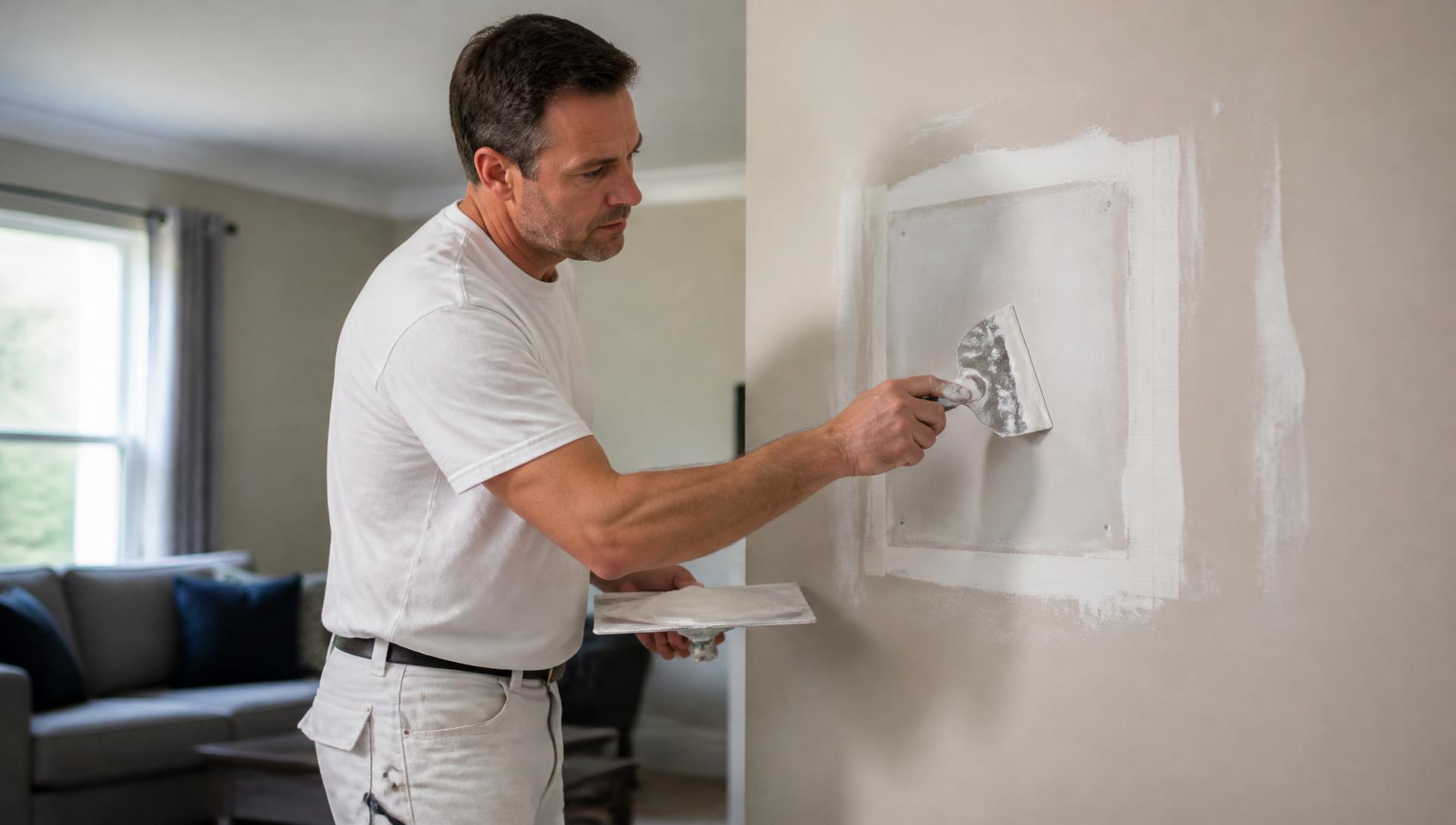
Drywall contractor smoothing joint compound over a wall patch in a Northwest Suburbs home

Drywall repair and patching · Northwest Suburbs, IL

Drywall Repair & Patching in Northwest Suburbs, IL

At Quality Drywall Installation Pros of Northwest Suburbs we assess the damage, match the appropriate drywall material, and repair, tape, texture, prime, and paint the surface for a clean, durable finish. With more than 20 years of experience, we handle small patches, ceiling repairs, remodeling work, and larger commercial projects while keeping scheduling, pricing, communication, and jobsite protection clear.

  • 20+ Years of Experience
  • Residential + Commercial
  • Clear Estimates
  • Organized Worksites
  • 20+ Years

    Hands-on drywall experience

  • Residential + Commercial

    Homes and commercial interiors

  • Clean Sites

    Protected, organized work areas

Prefer the full contact page?

Request a Drywall repair and patching estimate

Tell us about the space and we’ll follow up with clear next steps. All fields are required.

20+ Years of Experience

Residential + Commercial

Northwest Suburbs

Drywall repair and patching

Damage Assessment And Drywall Materials

Drywall damage can affect homes, apartments, offices, retail spaces, and other commercial properties throughout Chicago's Northwest Suburbs, including Palatine, Barrington, Buffalo Grove, and nearby communities. Cracks, holes, water damage, and loose seams each require a different repair approach, and the right material may include standard, moisture-resistant, fire-resistant, soundproof, or impact-resistant drywall.

We assess the source, extent, and moisture level of wall or ceiling damage before recommending a repair. Material selection then depends on the room's exposure, required fire or sound control, building use, and the finish needed to blend with existing surfaces.

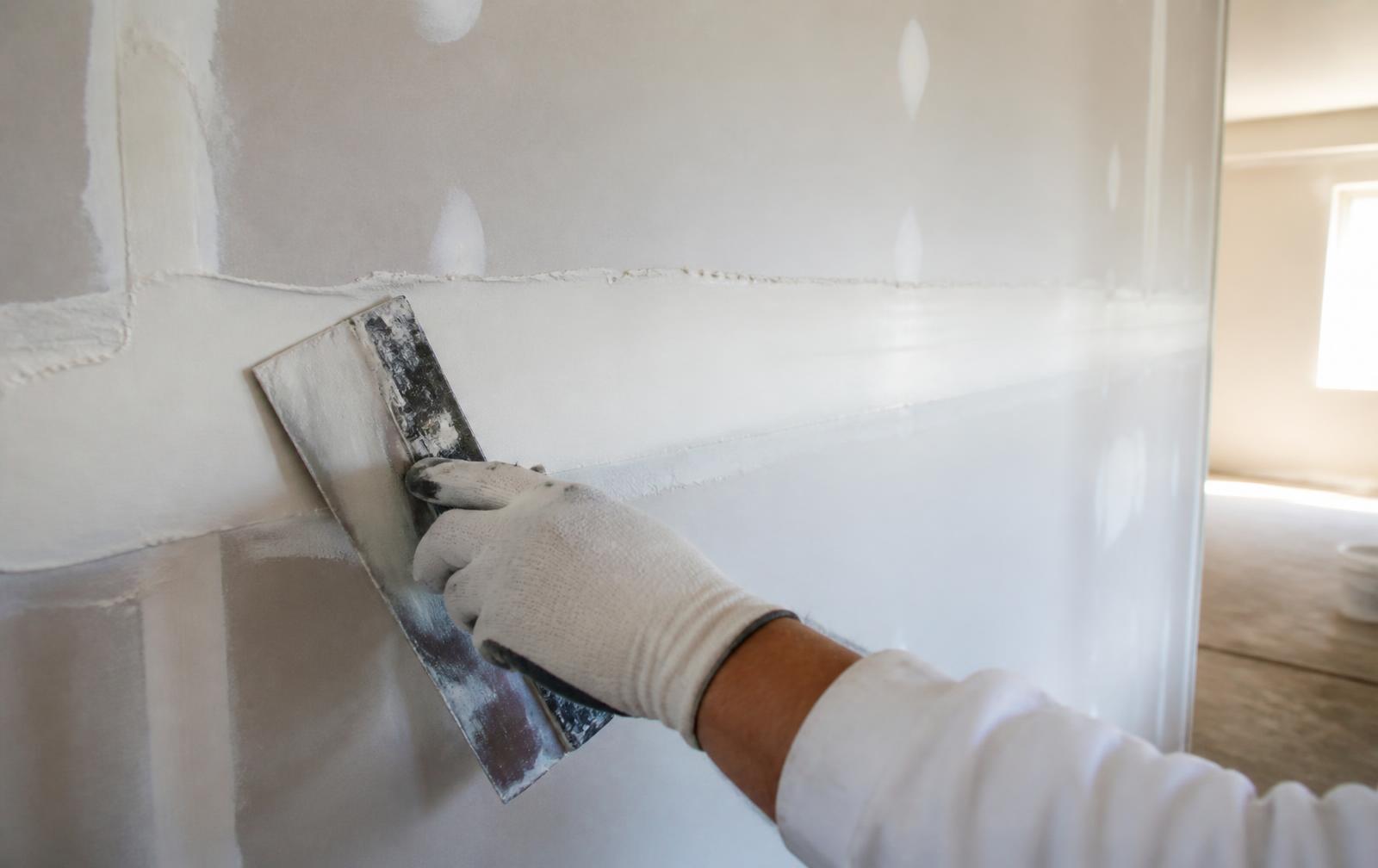
Finisher feathering joint compound across a repaired drywall seam
Thin coats of compound feathered well beyond the patch keep repairs invisible under room lighting.

Common Causes Of Wall And Ceiling Damage

In Northwest Suburbs homes and businesses, drywall damage often results from plumbing leaks, roof seepage, ice dams, appliance failures, and condensation. Water can stain paper, weaken gypsum, loosen joint tape, and create soft or sagging areas. We repair the source first and replace any material that has lost its structural integrity.

Impact damage includes holes from doors, furniture, moving equipment, and remodeling work. Smaller problems include nail pops, settlement cracks, peeling tape, and separated seams. HVAC movement, seasonal humidity changes, and poor fastening can reopen repairs if we only cover the visible defect.

We inspect adjacent areas for hidden moisture, mold risk, and compromised framing. Our assessment also considers texture, paint sheen, corner details, and access so the finished patch blends with the surrounding wall or ceiling.

Standard, Moisture-Resistant, Fire-Rated, And Soundproof Drywall

Standard drywall suits most dry bedrooms, offices, living rooms, and finished basements. Typical panels measure 4 by 8 feet, although larger or specialty sizes may reduce seams on commercial walls. We select thickness based on the existing assembly, framing, and local requirements.

Moisture-resistant drywall works in areas exposed to occasional humidity, such as bathrooms, laundry rooms, and utility spaces. It does not replace proper waterproofing in shower enclosures or areas with repeated direct water exposure. We investigate leaks and ventilation before installing it.

Fire-rated Type X drywall supports rated wall and ceiling assemblies in garages, multifamily buildings, mechanical rooms, and commercial spaces. The panel alone does not create a fire-rated system; framing, fasteners, joints, insulation, and penetrations must match the approved assembly.

For noise control, we may use sound-damping gypsum panels, resilient channels, acoustic insulation, or multiple layers. Results depend on the complete wall design, not simply on installing a thicker sheet.

Residential And Commercial Repair Considerations

Residential repairs usually focus on matching existing texture, protecting furniture and flooring, and limiting disruption to occupied rooms. We coordinate around family schedules and address related problems such as trim damage, ceiling stains, and repainting. Clear pricing helps homeowners understand whether a patch, partial replacement, or larger section offers the practical solution.

Commercial work requires additional planning for tenants, employees, customers, inventory, and building operations. We may schedule repairs during low-traffic hours, maintain safe access routes, and coordinate with property managers or general contractors. Warehouses, apartments, offices, and retail spaces can also require fire-rated assemblies, impact-resistant panels, moisture control, or acoustic performance.

Our crews protect nearby surfaces, keep the worksite organized, and communicate schedule changes promptly. More than 20 years of experience helps us work efficiently while maintaining straight lines, clean corners, secure fastening, and a finish appropriate for the property.

  • Precision

    Straight seams, clean corners, consistent fastening.

  • Reliability

    Dependable scheduling and clear communication.

  • Integrity

    Honest, upfront pricing with no unnecessary surprises.

Prefer to talk it through? Call (224) 287-9814.

Request an estimate

How we work

Repair Methods, Local Standards, And Service Planning

We match the repair method to the wall material, damage source, and finish level required. Proper planning also accounts for Northwest suburban building types, local requirements, drying conditions, scheduling, and paint or texture matching.

Patching Holes, Cracks, Dents, And Water-Damaged Areas

We repair small nail holes and dents with joint compound or setting-type filler, then sand, prime, and blend the surface. Larger holes require a drywall insert, backing support, or replacement section. We reinforce seams with paper or fiberglass tape to reduce recurring cracks.

For ceiling cracks, we first check for movement, loose tape, settlement, or moisture. We do not cover active leaks; plumbing, roofing, or exterior drainage problems must be corrected before drywall replacement. Water-damaged gypsum board often needs removal beyond the visibly stained area, followed by drying and inspection for mold or damaged insulation.

Common repair steps:

  • Protect floors, furniture, and nearby fixtures.
  • Remove loose, soft, or contaminated drywall.
  • Install matching board and secure the seams.
  • Apply compound in multiple thin coats.
  • Sand, prime, and reproduce the existing texture.

Northwest Suburbs Service Areas And Building Considerations

We serve communities such as Palatine, Barrington, Schaumburg, Naperville, Wheaton, and nearby Northwest and Western suburban areas. Each project differs: older homes may contain plaster, lath, multiple paint layers, or irregular framing, while newer construction commonly uses 1/2-inch drywall on walls and 5/8-inch board for many ceilings or fire-rated assemblies.

Residential work may involve occupied rooms, basement remodeling, or ceiling repairs. Commercial projects can include tenant improvements, offices, retail spaces, apartments, and repairs scheduled around business hours. We coordinate access, dust control, furniture protection, and phased work when occupants must remain in the building.

Local permitting, inspection, fire-separation, and contractor-registration requirements depend on the municipality and project scope. We review the applicable building department requirements before work that affects rated walls, structural assemblies, or larger remodels.

Drying Times, Finishing Levels, And Paint Matching

Joint compound must dry between coats. Drying commonly takes about 24 hours per coat, although temperature, humidity, ventilation, and compound type can change the schedule. Setting compounds may harden faster, but they still require proper finishing before sanding and painting.

We select the finish level based on lighting and the final wall covering. A basic patch may suit a low-visibility area, while smooth walls, strong daylight, and commercial spaces often require more extensive feathering and sanding. We reproduce orange-peel, knockdown, and other textures when the existing surface allows a close match.

Fresh compound absorbs paint differently from surrounding drywall, so we prime repaired areas before painting. Exact color matching depends on the original paint's age, sheen, fading, and prior touch-ups; for the most consistent result, we may recommend painting the entire wall or ceiling plane.

FAQs

Frequently Asked Questions

Drywall repair requirements vary by building use, moisture exposure, fire-resistance needs, wall thickness, and local code obligations. Costs also depend on the damaged area, access, finish matching, and whether hidden moisture or structural problems require correction.

What is the difference between residential and commercial drywall repair requirements?

Residential repairs often involve individual holes, ceiling cracks, water stains, damaged corners, or sections affected by remodeling. We typically focus on matching the existing thickness, texture, paint sheen, and finish while protecting occupied rooms and maintaining a clean worksite.

Commercial repairs may cover larger areas and must account for tenant schedules, corridors, offices, retail spaces, inspections, and coordination with other trades. We also evaluate rated walls, acoustic assemblies, access requirements, and documentation that may apply to the property.

Which drywall types are best for moisture-prone areas, fire-rated walls, and soundproofing?

For bathrooms, laundry rooms, utility areas, and some basement applications, we may recommend moisture-resistant gypsum board. It helps tolerate humid conditions, but it does not replace proper ventilation, waterproofing, or correction of leaks.

Fire-rated drywall, often called Type X gypsum board, supports rated wall and ceiling assemblies when installed with the required thickness, fasteners, joints, framing, and other components. For sound control, we may use sound-dampening gypsum products with insulation, resilient channels, acoustic sealant, or layered board; the complete assembly matters more than the panel alone.

How much does drywall patching typically cost in the Northwest Suburbs of Illinois?

Small repairs commonly cost about $150 to $400, while larger patches, ceiling repairs, texture matching, or multiple rooms may range from $400 to $1,500 or more. These figures provide planning guidance rather than a fixed quote.

Labor access, patch size, water damage, insulation, framing repairs, corner treatment, primer, painting, and finish complexity affect the final price. We provide an upfront estimate after assessing the damage and identifying work that may otherwise remain hidden.

Can water-damaged drywall be repaired, or does it need to be replaced?

We can repair minor surface staining when the drywall remains firm, dry, and free from mold, crumbling paper, and swelling. We must first stop the leak, dry the area, and confirm that the framing and insulation do not retain moisture.

Replacement usually makes more sense when the board feels soft, sags, has swollen edges, shows extensive staining, or developed mold. We remove compromised material, inspect the opening, replace affected insulation or framing when necessary, then install, tape, finish, prime, and paint the new drywall.

What drywall thickness is commonly used for residential ceilings and commercial partitions?

1/2-inch drywall is common on many residential walls and ceilings, while 5/8-inch board is frequently used for ceilings, fire-rated assemblies, and applications requiring greater stiffness. Ceiling framing, joist spacing, insulation, and local construction details can change the appropriate choice.

Commercial partitions may use 5/8-inch gypsum board, especially where fire resistance, durability, or sound control matters. Some systems use multiple layers or specialized panels, so we match the repair to the existing rated or acoustic assembly rather than selecting thickness by appearance alone.

Do commercial drywall repairs in Illinois need to meet fire-code or ADA-related building requirements?

They may. Repairs involving fire-rated corridors, stair enclosures, shafts, tenant separations, or other protected assemblies must preserve the tested wall or ceiling system and comply with applicable Illinois and local building-code requirements.

ADA rules generally address accessibility features such as clearances, accessible routes, door areas, reach ranges, and restroom layouts rather than drywall alone. However, a repair that changes a wall, doorway, guard, or accessible route may affect compliance, so we coordinate with the owner, designer, building official, or other qualified professional when required.

Related work

Other drywall services we provide

Get started

Request a Drywall repair and patching estimate

Tell us about the space and we'll follow up with clear next steps and honest, upfront pricing before any work begins.

Call (224) 287-9814

2000 Center Dr, STE 233, Hoffman Estates, IL 60192

Request a Free Estimate

Tell us about the space and we’ll follow up with clear next steps. All fields are required.

Call (224) 287-9814Request Estimate