QUALITYDrywall Installation Pros
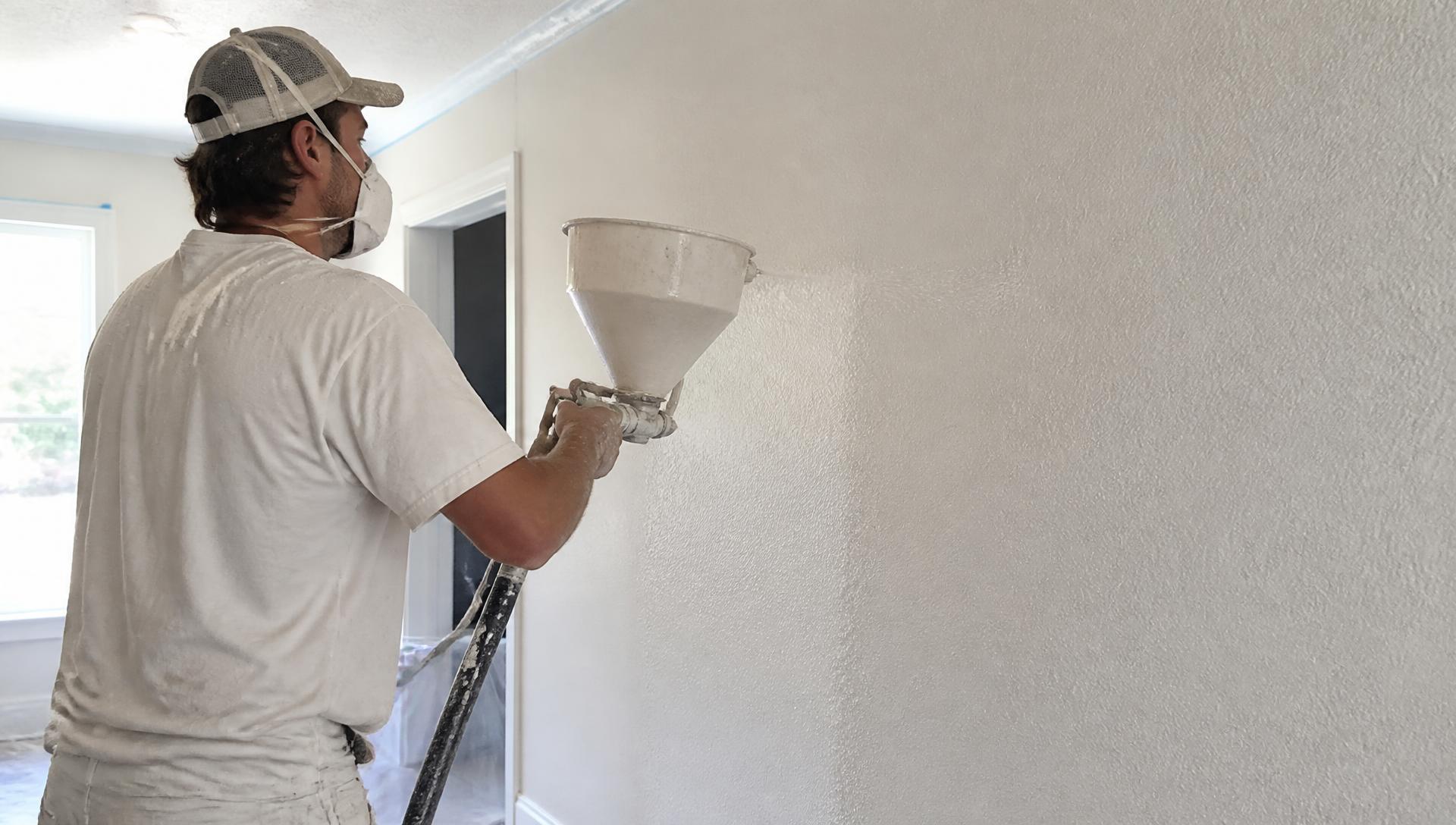
Finisher spraying orange peel texture to match an adjacent wall

Texture and texture matching · Northwest Suburbs, IL

Drywall Texture & Texture Matching in Northwest Suburbs, IL

At Quality Drywall Installation Pros of Northwest Suburbs we match existing textures by identifying the surface pattern, preparing the damaged area, applying compatible joint compound or texture material, and blending the edges before priming and painting. We work with smooth finishes, orange peel, knockdown, popcorn, and other textures across standard drywall, moisture-resistant board, fire-rated panels, and specialty commercial systems.

  • 20+ Years of Experience
  • Residential + Commercial
  • Clear Estimates
  • Organized Worksites
  • 20+ Years

    Hands-on drywall experience

  • Residential + Commercial

    Homes and commercial interiors

  • Clean Sites

    Protected, organized work areas

Prefer the full contact page?

Request a Drywall texture matching estimate

Tell us about the space and we’ll follow up with clear next steps. All fields are required.

20+ Years of Experience

Residential + Commercial

Northwest Suburbs

Drywall texture matching

Texture Types, Materials, And Matching Methods

Drywall texture affects how your walls and ceilings look, reflect light, and hide minor surface imperfections. Across Northwest Suburbs such as Schaumburg, Naperville, Arlington Heights, and nearby communities, we repair and finish drywall in homes, offices, retail spaces, and other commercial properties.

Our 20+ years of experience help us handle everything from small holes and water damage to remodeling, tenant improvements, and larger construction projects.

We match texture by identifying the existing pattern, controlling material consistency, and testing the repair before applying it to the wall. In Northwest suburbs such as Schaumburg, Arlington Heights, and Naperville, we handle texture matching for residential repairs, remodels, tenant improvements, and commercial build-outs.

Close view of a sprayed wall texture pattern
Nozzle size, air pressure and spray distance are adjusted until the new texture matches the existing grain.

Orange Peel, Knockdown, And Skip Trowel Finishes

Orange peel uses sprayed joint compound or texture material to create small, raised droplets. Fine and medium patterns are common on residential walls, while heavier patterns can hide minor surface irregularities. We adjust nozzle size, air pressure, material thickness, and spray distance to reproduce the existing grain.

Knockdown begins with sprayed texture that sits briefly before we flatten the peaks with a drywall knife. Timing controls the final appearance: knocking it down too soon creates a flatter pattern, while waiting too long produces sharper ridges. We match the original knife angle, pressure, and pattern spacing.

Skip trowel relies on a thin layer of compound applied with a partially loaded trowel. The tool skips across the surface, leaving irregular overlapping marks. This finish appears frequently in custom homes and ceilings, so we blend the repair beyond the damaged area rather than stopping at a hard edge.

Smooth Wall And Level 5 Finish Standards

A smooth wall has no intentional texture, but it still requires careful finishing. We embed tape, apply multiple coats of joint compound, sand between coats, and inspect the surface under strong side lighting. Shadows can reveal ridges or depressions that ordinary room lighting does not show.

A Level 5 finish adds a thin skim coat over a Level 4 surface. The skim coat reduces visible porosity and joint photographing, especially beneath dark paint, satin finishes, or strong natural light. It does not guarantee a perfectly uniform wall if the framing, drywall panels, or existing surface contains movement.

For residential interiors, we discuss paint sheen and lighting before recommending this finish. Commercial corridors, offices, and retail spaces may need broader skim coating when large walls receive bright overhead or window light.

Hand-Applied And Spray-Applied Texture Materials

We select materials according to the existing finish, repair size, drying conditions, and required working time. Ready-mixed joint compound works well for skim coats, hand textures, knockdown repairs, and small patches. Setting-type compound can provide faster turnaround, but it requires accurate mixing and efficient application because it hardens within a specified working period.

Spray textures commonly use powdered or premixed drywall texture products. We dilute the material only as needed and strain or mix it consistently to prevent nozzle blockage and uneven droplets. A hopper gun, compressor, or aerosol canister may suit different project sizes, but equipment settings must match the original pattern.

Before painting, we allow the repair to dry fully, remove loose material, and prime the patched area. Primer helps prevent flashing, where the repaired section shows a different sheen or absorption through the finished paint.

Existing Texture Assessment And Blend Testing

We first examine the wall from several angles and compare the repair area with nearby undamaged sections. We identify whether the texture is sprayed or hand-applied, estimate its thickness, and check for paint buildup, previous patches, water damage, or loose drywall paper.

A small test board or concealed test area lets us adjust material thickness, spray pressure, nozzle size, trowel movement, and knockdown timing. We do not rely on a single pass when the existing pattern varies across the wall or ceiling.

For a clean transition, we feather the joint compound beyond the patch, reproduce the texture gradually, and avoid creating a visible outline. We protect floors, trim, furniture, and nearby surfaces while working, then clean the site before final inspection. Our experience with both homes and commercial properties helps us address irregular surfaces and schedule requirements without sacrificing finish quality.

  • Precision

    Straight seams, clean corners, consistent fastening.

  • Reliability

    Dependable scheduling and clear communication.

  • Integrity

    Honest, upfront pricing with no unnecessary surprises.

Prefer to talk it through? Call (224) 287-9814.

Request an estimate

How we work

Northwest Suburbs Project Considerations

Northwest Suburbs drywall projects require careful planning around building use, existing textures, local weather, scheduling, and finish expectations. We match the repair method and materials to each property, from residential water damage to commercial partitions and office renovations.

Residential Drywall Repairs And Remodels

We handle residential drywall repairs involving nail pops, settlement cracks, holes, water damage, and damaged corners. Before patching, we check whether moisture, roof leakage, plumbing, or movement caused the damage. We address the source when possible and replace soft or compromised drywall instead of covering it.

Homes may contain different drywall types, including standard 1/2-inch panels, moisture-resistant panels in bathrooms, and fire-resistant Type X drywall near garages or shared walls. We select compatible materials and match existing finishes such as smooth, orange peel, or knockdown texture.

Our process includes protecting floors and furnishings, securing the patch, blending joint compound, sanding carefully, and applying primer before paint. We also provide clear pricing and keep the work area organized throughout the repair.

Commercial Tenant Build-Outs And Office Renovations

Commercial projects often involve new partitions, suspended ceilings, rated walls, conference rooms, reception areas, and repairs between tenants. We coordinate our drywall work with electricians, plumbers, HVAC contractors, property managers, and business schedules to reduce disruption.

Office and retail spaces may require Type X assemblies, sound-reducing systems, abuse-resistant panels, or moisture-resistant drywall in specific areas. We follow the project plans and applicable building requirements rather than substituting materials based only on appearance.

Efficient production matters when a tenant must open by a set date. We plan the sequence of hanging, taping, finishing, sanding, priming, and texture application so each trade can access the space when needed. We also maintain clean, respectful jobsites in occupied buildings.

Common Service Areas Including Arlington Heights, Schaumburg, And Palatine

We serve communities throughout the Northwest Suburbs, including Arlington Heights, Schaumburg, and Palatine, as well as nearby areas such as Barrington, Mount Prospect, Buffalo Grove, and Elk Grove Village. Each property has its own construction details, existing finish, and access requirements.

Older homes may need repairs around plaster transitions, previous patches, or multiple layers of paint. Newer developments can present builder-grade texture, settling cracks, or repairs around recessed lighting and mechanical work. We inspect the surrounding surface before choosing a patch size and blending method.

For commercial properties, we confirm loading access, parking restrictions, elevator use, working hours, and tenant requirements before scheduling. Our upfront estimates identify the planned work and help property owners make informed decisions.

Drying Conditions, Lighting, And Final Quality Inspection

Drywall compound, primer, and paint need suitable temperature, airflow, and humidity to dry properly. Northwest Illinois weather can slow drying during humid summers or cold winter work, so we avoid rushing coats that have not cured. Poor drying can cause visible seams, flashing, or texture differences.

Lighting also affects the final appearance. Side lighting from windows, LED fixtures, and recessed lights can reveal ridges that normal room lighting hides. We inspect the surface from multiple angles and use appropriate sanding and skim-coating techniques before applying the finish.

Our final inspection checks straight lines, corner alignment, fastener coverage, texture consistency, primer coverage, and cleanup. We review the completed work with the customer and address reasonable touch-ups before we consider the project complete.

FAQs

Frequently Asked Questions

Drywall texture choices in the Northwest Suburbs depend on the building's age, room function, lighting, moisture exposure, and repair history. Project costs also vary by surface area, preparation, texture type, drywall board, access, and whether the work involves a home, office, retail space, or multifamily property.

What drywall texture types are most common in Northwest Suburbs, IL homes and commercial buildings, including orange peel, knockdown, skip trowel, Santa Fe, and smooth finish?

Orange peel remains common in residential homes because its fine, sprayed texture hides minor seams and surface irregularities without creating a heavy pattern. We also see it in hallways, bedrooms, basements, and rental units throughout communities such as Schaumburg, Arlington Heights, Palatine, Glenview, and Naperville.

Knockdown texture creates a more noticeable pattern than orange peel. Contractors spray or apply joint compound, then flatten the raised areas with a knife. This finish appears in living rooms, basements, ceilings, and some commercial interiors where owners want moderate visual texture.

Skip trowel produces an irregular, hand-applied pattern. It often appears in higher-end residential interiors, accent areas, and older homes where the existing finish requires careful preservation.

Santa Fe generally uses broad, soft patches of texture with areas of smooth wall between them. We may encounter it in custom homes, remodels, and decorative interiors, although it requires sampling and controlled application to reproduce accurately.

Smooth finish has no intentional texture and works well with contemporary interiors, strong natural light, built-in features, and clean-lined architectural designs. Commercial offices, medical spaces, retail locations, and new residential construction often use smooth walls because they support a consistent, modern appearance.

How do professionals match an existing drywall texture after water damage, repairs, or wall alterations?

We first inspect the surrounding wall or ceiling under normal and side lighting. We identify the texture pattern, density, sheen, paint type, and whether the surface uses drywall compound, sprayed texture, or a hand-applied finish.

Next, we remove damaged material, address the source of water intrusion when applicable, reinforce the repair, and apply compatible joint compound. We feather the edges beyond the patch, sand without flattening the surrounding pattern, and prime the repaired area before applying texture.

For difficult matches, we test the texture on scrap drywall or an inconspicuous area. Orange peel may require controlled spraying, while knockdown, skip trowel, and Santa Fe finishes depend on compound consistency, tool angle, timing, and pressure. We then blend the paint into the surrounding surface rather than stopping at a sharp patch boundary.

Water-damaged drywall may require replacement instead of surface repair, particularly when the board has swollen, softened, developed mold, or lost its structural integrity. We use clean, organized work practices and protect adjacent flooring, cabinets, furniture, and fixtures during the process.

What is the estimated cost to texture drywall in a 1,200-square-foot home in the Northwest Suburbs of Illinois?

For a 1,200-square-foot home, the cost depends on whether the project covers walls, ceilings, or both. A basic texture application over properly prepared drywall may cost approximately $1,500 to $4,500, while extensive repairs, difficult access, multiple rooms, or full-home preparation can increase the total.

A small or medium repair that includes texture matching commonly falls near $250 to $900, depending on damage, access, texture complexity, priming, and paint blending. Larger water-damage repairs may cost more when we must replace insulation, drywall board, trim, or affected framing.

Smooth-wall finishing often costs more than a basic texture because it requires tighter joint treatment, additional sanding, stronger lighting checks, and more surface preparation. We provide upfront estimates after reviewing the existing conditions, dimensions, board type, access, and finish requirements.

Which drywall textures are best suited for residential spaces versus commercial offices, retail locations, and multifamily properties?

For homes, orange peel and knockdown offer practical coverage for walls and ceilings while remaining easier to maintain than heavily decorative finishes. Smooth walls suit kitchens, dining areas, living rooms, and remodeled interiors where homeowners want a contemporary appearance.

Skip trowel and Santa Fe can add visual character to custom residential spaces, but matching them during future repairs requires more time and skill. We recommend documenting the texture and keeping leftover paint for future maintenance.

Commercial offices often favor smooth walls or a light orange peel texture. Smooth finishes support professional interiors, signage, lighting, and frequent layout changes, while light texture can reduce the visibility of minor impact marks in corridors and work areas.

Retail locations may use smooth walls for displays and branding, with durable textured finishes in stockrooms, service corridors, or high-traffic areas. Multifamily properties commonly use orange peel or light knockdown because these finishes balance appearance, repairability, and maintenance costs across multiple units.

What drywall board types—standard, moisture-resistant, mold-resistant, fire-rated Type X, and soundproof—are appropriate for different rooms and building requirements?

Standard drywall works in typical low-moisture areas such as bedrooms, living rooms, dining rooms, offices, and finished hallways. It should not serve as the primary board in areas with recurring moisture exposure.

Moisture-resistant drywall suits bathrooms, laundry rooms, utility areas, and some kitchen applications. It helps resist occasional humidity but does not replace proper ventilation, waterproofing, or approved tile backer systems in wet areas.

Mold-resistant drywall includes enhanced facing and core treatments for areas where humidity or previous moisture damage creates increased risk. We may recommend it for basements, bathrooms, laundry rooms, and spaces undergoing restoration after a leak, subject to the project conditions.

Type X fire-rated drywall provides increased fire resistance when used within a tested wall, ceiling, shaft, or floor-ceiling assembly. Local building codes, the project's occupancy classification, and the required fire-resistance rating determine board thickness, layering, fasteners, joints, and framing details.

Sound-resistant systems may combine specialized drywall panels, resilient channels, insulation, acoustic sealant, and staggered or separated framing. They work well for bedrooms beside living areas, home theaters, conference rooms, offices, multifamily demising walls, and rooms requiring speech privacy. No single board guarantees a specific sound rating without the complete tested assembly.

Are modern smooth-wall finishes or textured finishes more popular for new construction and remodeling projects in 2026?

Smooth-wall finishes have strong demand in new construction and higher-end remodeling, especially in open-concept homes, contemporary interiors, offices, medical facilities, and retail spaces. They pair well with recessed lighting, large windows, minimalist trim, and neutral paint colors, but they require precise finishing because side lighting exposes imperfections.

Textured finishes remain common in existing Northwest Suburbs homes, rental properties, basements, ceilings, and repair projects. Orange peel and knockdown continue to provide practical concealment and easier maintenance, particularly where the new work must blend with surrounding surfaces.

We choose the finish based on the property's existing character, intended use, lighting, maintenance needs, and budget. For a remodel, matching the existing texture often produces a better result than replacing every wall with a smooth finish.

Related work

Other drywall services we provide

Get started

Request a Drywall texture matching estimate

Tell us about the space and we'll follow up with clear next steps and honest, upfront pricing before any work begins.

Call (224) 287-9814

2000 Center Dr, STE 233, Hoffman Estates, IL 60192

Request a Free Estimate

Tell us about the space and we’ll follow up with clear next steps. All fields are required.

Call (224) 287-9814Request Estimate