QUALITYDrywall Installation Pros
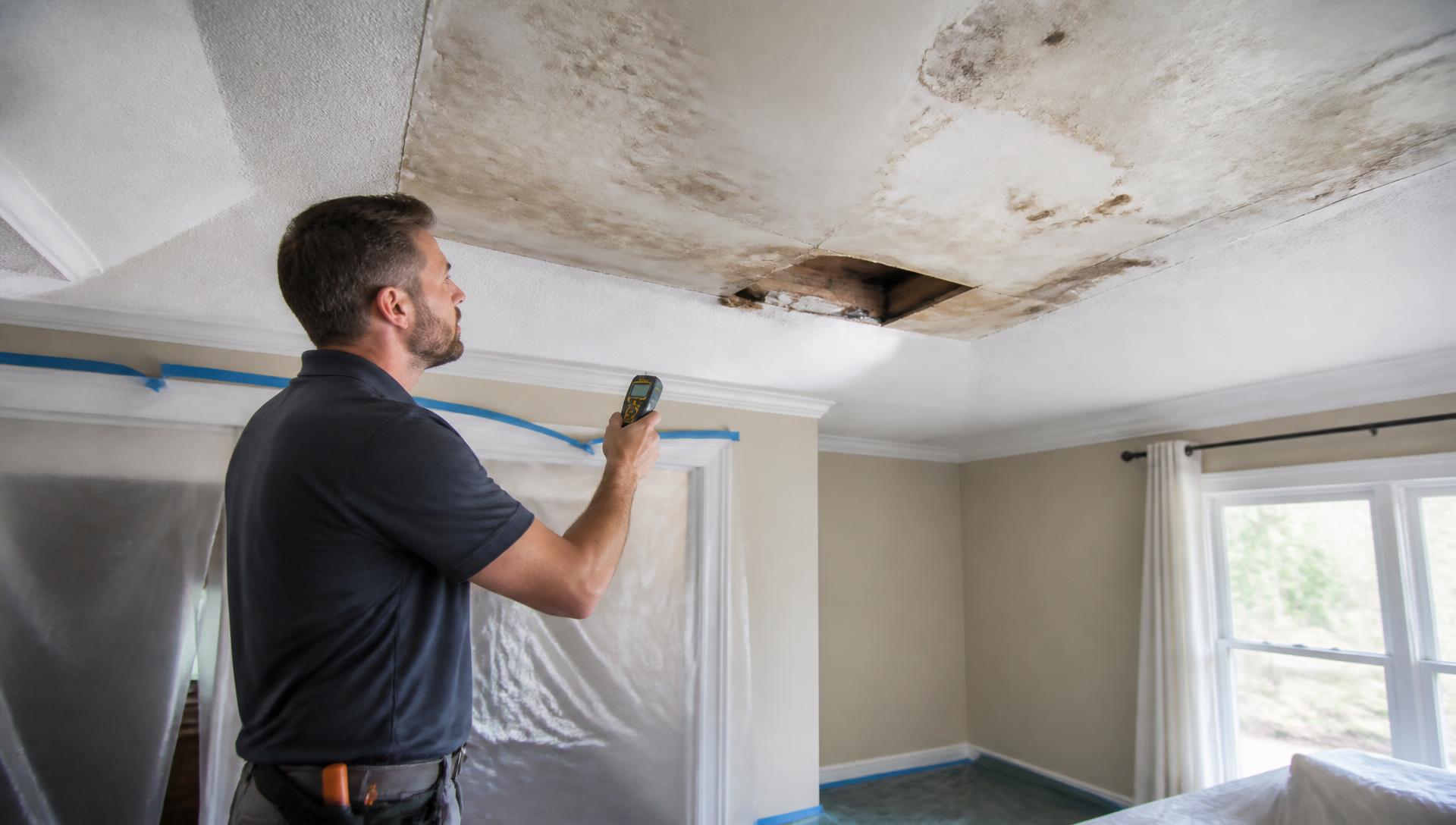
Contractor checking a water-stained drywall ceiling with a moisture meter

Water-damaged drywall · Northwest Suburbs, IL

Water-Damaged Drywall Repair & Replacement in Northwest Suburbs, IL

At Quality Drywall Installation Pros of Northwest Suburbs we determine whether to repair or replace drywall based on the extent of saturation, contamination, mold risk, and damage to the paper facing or gypsum core. We work with common materials such as standard, moisture-resistant, fire-rated, and mold-resistant drywall for homes, apartments, offices, retail spaces, and other commercial properties.

  • 20+ Years of Experience
  • Residential + Commercial
  • Clear Estimates
  • Organized Worksites
  • 20+ Years

    Hands-on drywall experience

  • Residential + Commercial

    Homes and commercial interiors

  • Clean Sites

    Protected, organized work areas

Prefer the full contact page?

Request a Water-damaged drywall repair estimate

Tell us about the space and we’ll follow up with clear next steps. All fields are required.

20+ Years of Experience

Residential + Commercial

Northwest Suburbs

Water-damaged drywall repair

Water Intrusion Assessment And Drywall Material Options

Water-damaged drywall can develop stains, soft spots, mold growth, and hidden structural problems after a roof leak, plumbing failure, flooding, or condensation. In Chicago's Northwest Suburbs—including Palatine, Barrington, Buffalo Grove, and nearby communities—we assess the moisture source and damage before recommending the right repair or replacement method.

With more than 20 years of drywall experience, we provide practical restoration plans, smooth finishes, clear pricing, dependable scheduling, and clean worksites.

We assess the water source, affected materials, moisture levels, and contamination risks before recommending repair or replacement. The right drywall choice depends on the room's exposure, fire-rating requirements, occupancy type, and whether the property is residential or commercial.

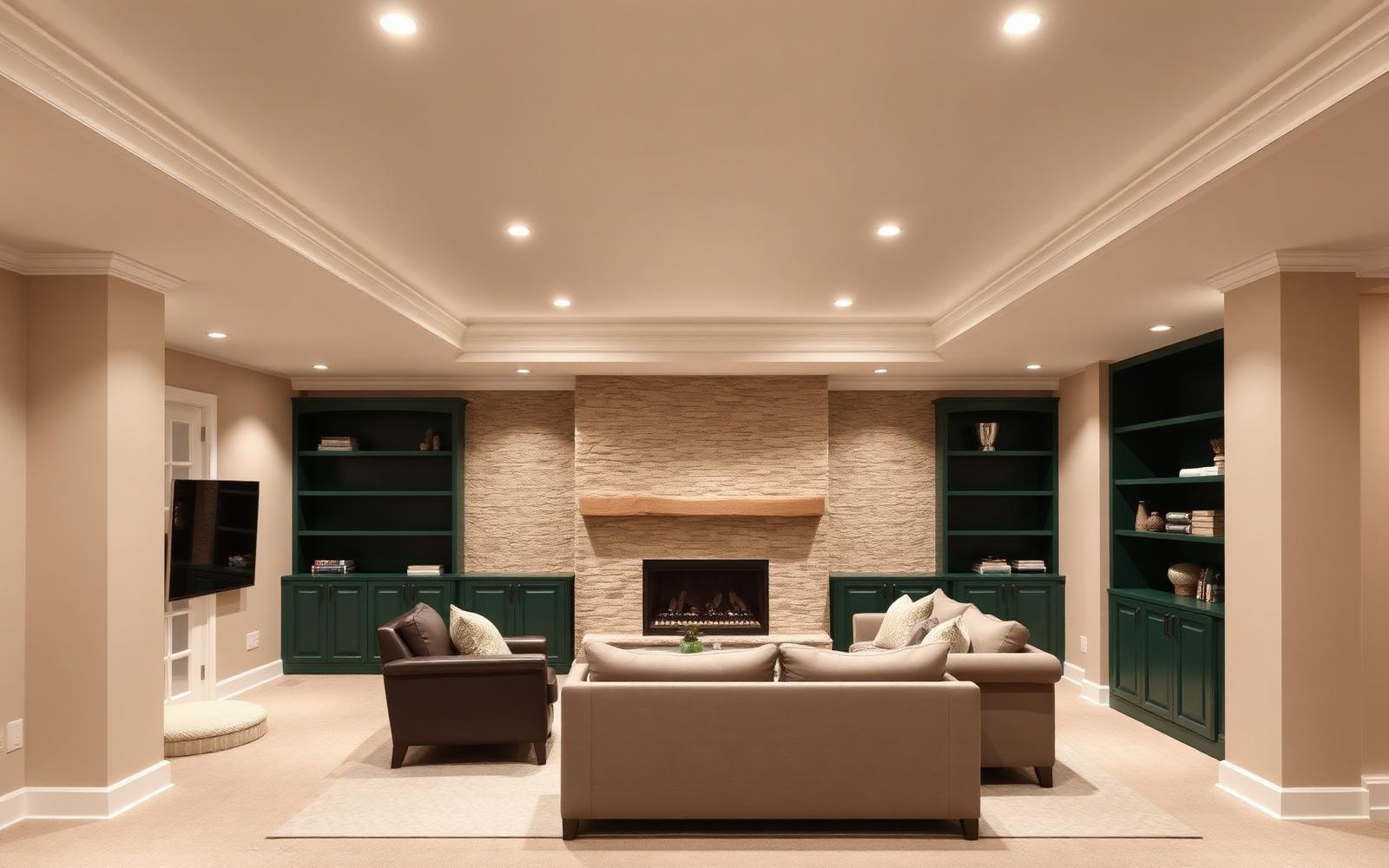
Finished lower-level walls rebuilt after water damage
Lower-level walls rebuilt with matching board, texture and paint after the moisture source was corrected.

Common Sources Of Moisture In Northwest Suburbs Properties

In Northwest Suburbs communities such as Schaumburg, Arlington Heights, Elgin, and Palatine, drywall commonly becomes wet after frozen or burst pipes, roof leaks, ice dams, overflowing appliances, plumbing failures, and basement seepage. Heavy rain can also push water through damaged siding, window openings, foundation cracks, or poorly maintained gutters.

We first identify whether the water came from a clean supply line, a drain or appliance, or an outside flood source. Category 2 or Category 3 water may contain contaminants and requires controlled removal rather than simple drying. We also inspect insulation, framing, flooring, ceilings, and nearby electrical components because visible staining may not show the full moisture path.

In homes, damage often affects kitchens, bathrooms, laundry rooms, basements, and finished attics. Commercial properties may involve larger ceiling areas, tenant spaces, mechanical rooms, and fire-rated wall assemblies, making documentation and coordinated scheduling especially important.

Moisture Testing, Mold Risk, And IICRC S500 Principles

We use visual inspection, moisture meters, and, when appropriate, infrared imaging to locate wet areas beyond the visible stain. Meter readings should compare affected drywall with a known dry area of the same material; temperature, material density, and surface finishes can influence results.

Drywall that remains wet for an extended period can support mold growth, particularly when insulation, paper facing, dust, or wood framing also stays damp. Musty odors, discoloration, bubbling paint, softened gypsum, and swollen seams indicate that we should investigate behind the surface instead of covering it.

The IICRC S500 Standard for Professional Water Damage Restoration emphasizes safety, water classification, documentation, drying verification, and controlled removal of unsalvageable materials. We contain affected areas when needed, protect occupants and contents, and avoid disturbing potentially contaminated drywall without appropriate controls. Drywall with structural deterioration, extensive saturation, sewage exposure, or confirmed mold growth generally requires removal and proper disposal.

Standard, Moisture-Resistant, Mold-Resistant, And Type X Drywall

Standard drywall suits normally dry rooms such as bedrooms, offices, and living areas. Moisture-resistant drywall, often called green board, works better in areas with occasional humidity but does not provide a waterproof surface and should not replace proper waterproofing in showers.

Mold-resistant drywall uses treated paper or fiberglass-faced construction to reduce mold growth when moisture-control practices remain in place. We may recommend it for basements, laundry rooms, bathrooms, and commercial areas with recurring humidity. It cannot correct leaks or prevent mold when water remains trapped inside a wall.

Type X drywall provides enhanced fire resistance and commonly appears in garage separations, furnace-room assemblies, multifamily buildings, corridors, and commercial partitions. The required thickness, fastening pattern, joint treatment, and number of layers depend on the tested wall or ceiling assembly and local code requirements. We match replacement material to the existing assembly instead of substituting products based only on appearance.

  • Precision

    Straight seams, clean corners, consistent fastening.

  • Reliability

    Dependable scheduling and clear communication.

  • Integrity

    Honest, upfront pricing with no unnecessary surprises.

Prefer to talk it through? Call (224) 287-9814.

Request an estimate

How we work

Repair, Replacement, And Restoration For Residential And Commercial Spaces

We assess the moisture source, determine whether the drywall remains structurally sound, and choose a repair method that supports a durable finish. Our process covers homes, offices, retail spaces, and multifamily buildings throughout the Northwest Suburbs, including Palatine, Barrington, and nearby communities.

Targeted Patching Versus Full Panel Replacement

We use targeted patching when moisture affects a limited, fully dried area and the remaining drywall has no swelling, crumbling, staining that continues to spread, or mold contamination. We cut a clean section, install matching drywall, secure it with screws, reinforce the joints, and apply joint compound in thin coats.

We recommend full panel replacement when water has saturated the paper facing or gypsum core. Replacement also makes sense when damage extends across multiple studs, reaches insulation, or results from flooding, a burst pipe, or recurring leaks. We remove compromised material, inspect the framing and insulation, and confirm that the cavity has dried before closing the wall.

Our team matches thickness and board type whenever possible. Standard 1/2-inch drywall commonly serves interior walls, while 5/8-inch panels can provide greater fire resistance and sound control.

Residential Basements, Bathrooms, And Finished Living Areas

In Northwest Suburbs homes, basement drywall often suffers after sump-pump failures, foundation seepage, frozen pipes, or appliance leaks. We remove damaged lower sections, check framing for moisture, and use moisture-resistant materials where conditions justify them. We do not install new drywall over wet framing or concealed water damage.

Bathrooms require careful material selection around tubs, showers, and plumbing access points. Mold-resistant drywall can help in appropriate areas, but it does not replace ventilation, waterproofing, or leak correction. We use cement board or another approved tile backer where the installation requires a water-resistant substrate.

Finished living areas demand close texture and paint matching. We protect floors and furniture, control dust, maintain clean work areas, and feather repairs into surrounding surfaces so patched sections do not create visible ridges under normal lighting.

Commercial Offices, Retail Buildings, And Multifamily Properties

Commercial repairs must account for tenant schedules, customer access, fire separations, and building operations. We coordinate work zones, protect merchandise and equipment, and complete repairs efficiently without skipping drying, fastening, or finishing steps. Our experience covers small office repairs as well as larger projects involving multiple rooms or units.

Retail buildings may require repairs after roof leaks, sprinkler discharge, plumbing failures, or storm-related water entry. Multifamily properties often need consistent repairs across several apartments, corridors, stairwells, or shared utility areas. We document affected locations and use a repeatable process to maintain consistent board placement, texture, and paint color.

Commercial insurance often covers qualifying water damage, but coverage depends on the policy and cause. We provide clear estimates and communicate changes before additional work begins; property owners should confirm coverage and reporting requirements with their insurer.

Permits, Fire Ratings, Finishing, And Repainting

Permit requirements vary by municipality and by the scope of work. A simple drywall patch may not require a permit, while repairs involving structural framing, electrical systems, plumbing, fire-rated assemblies, or major remodeling may require local approval. We identify conditions that may need coordination with the property owner, building department, or licensed trade.

We preserve required fire-resistance ratings in garages, utility rooms, corridors, and unit separations. 5/8-inch Type X drywall commonly forms part of rated assemblies, but the complete assembly—including fasteners, joints, layers, and penetrations—must meet the applicable design.

After replacement, we tape joints, apply compound, sand between coats, match texture, prime repaired areas, and repaint as needed. We use clean work practices and inspect straight lines, corners, transitions, and color consistency before finishing the project.

FAQs

Frequently Asked Questions

Water-damaged drywall may need a small patch, partial removal, or complete replacement depending on moisture exposure, contamination, swelling, and drying time. Material selection also matters: bathrooms, utility rooms, sprinkler damage, and commercial wet areas require different products and mitigation procedures.

How can homeowners tell whether water-damaged drywall needs repair or full replacement?

We assess the drywall's moisture level, firmness, paper condition, and exposure to contaminated water. A small, dry stain may only need sealing, patching, and repainting after the leak is fixed.

Replacement usually makes more sense when the board feels soft, crumbles, bubbles, delaminates, smells musty, or shows mold growth. We also remove drywall that absorbed sewage, floodwater, or other Category 3 water because porous gypsum and paper facing can retain contaminants.

We often cut several inches above the highest visible or measured damage, remove affected insulation, dry the framing, and inspect for hidden moisture. Chicago-area homes may also require attention to winter pipe leaks, spring basement seepage, and roof damage caused by freeze-thaw cycles.

How long should drywall dry after a leak or flood before repairs begin?

Drying time depends on the amount of water, room temperature, humidity, airflow, insulation, and the material's moisture readings. A minor leak may dry within 24 to 48 hours, while insulated walls, ceilings, and flood-affected areas can take several days or longer.

We do not rely on a calendar alone. We use moisture meters and inspect the framing, insulation, subfloor, and adjacent rooms before closing the wall.

Mold can develop quickly when wet materials remain undisturbed, especially in warm, poorly ventilated spaces. We recommend stopping the water source, removing standing water, increasing controlled airflow, and contacting a mitigation professional when the area remains wet, smells musty, or involves contaminated water.

Does homeowners insurance typically cover water-damaged drywall from burst pipes, roof leaks, or appliance failures?

Coverage depends on the policy, the cause of loss, exclusions, deductibles, and whether the homeowner maintained the property. Sudden damage from a burst supply line, failed water heater, or ruptured appliance hose may qualify, while gradual seepage, repeated leaks, poor maintenance, or floodwater often does not.

A standard homeowners policy commonly covers resulting interior damage but may exclude the failed pipe, appliance, roof, or source of the leak. Separate flood insurance may apply to certain rising-water events.

We recommend photographing the damage, documenting the source, keeping damaged materials when safe, and notifying the insurer promptly. We can provide a clear scope and estimate, but the insurance carrier determines coverage.

What is the proper way to replace mold-contaminated drywall behind baseboards, under sinks, or near tubs and showers?

We first correct the moisture source and isolate the work area. We remove baseboards, cabinets, trim, or fixtures only as needed, then cut out contaminated drywall and affected insulation while limiting dust and debris.

The exposed framing must be cleaned, dried, and checked for continued moisture or structural deterioration. We do not cover moldy or wet materials with new drywall because concealed moisture can allow the problem to return.

Around tubs and showers, we install an appropriate backer system, maintain proper transitions, and seal penetrations according to the finish material and manufacturer requirements. In small residential areas, we protect floors and furnishings, keep the worksite organized, and provide upfront pricing before repairs begin.

What types of drywall—moisture-resistant green board, mold-resistant board, cement board, or fire-rated Type X—are best for residential and commercial wet areas?

Moisture-resistant green board works well in areas with occasional humidity, such as bathroom walls outside direct shower spray. It should not serve as the sole tile backer in continuously wet locations.

Mold-resistant drywall uses treated paper or paperless surfaces and can suit bathrooms, laundry rooms, basements, and utility areas when the assembly remains properly ventilated and dry. It does not make a wall waterproof.

Cement board or another approved tile backer is generally better behind tile in shower and tub surrounds because it tolerates repeated moisture exposure more effectively. Installers still need a properly designed waterproofing system at seams, corners, niches, and penetrations.

Fire-rated Type X drywall helps meet fire-resistance requirements in rated walls, ceilings, garages, corridors, and commercial assemblies. Type X is not a moisture-resistant product, so a project may require both a rated assembly and a moisture-appropriate facing or backing system.

For commercial projects, we follow the plans, local code requirements, manufacturer specifications, and the tested wall or ceiling assembly. We handle residential repairs and larger commercial work with the same focus on straight lines, clean corners, durable finishes, and efficient scheduling.

When do commercial properties in Northwest Suburbs, IL need professional water mitigation and drywall replacement after sprinkler, plumbing, or roof-water damage?

Commercial owners and managers should arrange professional mitigation when water affects multiple rooms, ceilings, electrical areas, insulation, occupied spaces, inventory, or fire-rated assemblies. Sprinkler releases, broken domestic-water lines, roof penetrations, and frozen pipes can spread through wall cavities and above suspended ceilings before visible staining appears.

Professional response becomes especially important when the water may be contaminated, the building serves patients or the public, operations must continue, or mold prevention requires rapid drying. Crews may need to coordinate containment, moisture mapping, air movement, extraction, selective demolition, and work around tenants or business hours.

We document affected areas, protect adjacent finishes, and identify whether the existing drywall can be repaired or requires replacement. For commercial properties in Palatine, Schaumburg, Arlington Heights, Barrington, and surrounding Northwest Suburbs communities, we also coordinate scope, scheduling, access, and clear pricing so repairs support the property's operational requirements.

Related work

Other drywall services we provide

  • Drywall Repair & Patching

    Damage assessed, matching material selected, and holes, cracks, seams and water-damaged areas repaired, textured, primed and painted.

  • Popcorn Ceiling Removal

    Asbestos testing first, contained texture removal, and ceilings refinished by scraping, skim coating or new drywall.

  • Drywall Texture & Texture Matching

    Existing patterns identified and reproduced — orange peel, knockdown, skip trowel, Santa Fe and smooth Level 5 finishes blended into surrounding surfaces.

  • Commercial Drywall & Tenant Improvements

    Office, retail, medical, warehouse and multi-suite build-outs with fire-rated, acoustic, moisture-resistant and abuse-resistant systems coordinated around permits and inspections.

  • Level 5 Drywall Finishing & Skim Coating

    A continuous skim coat over a properly taped Level 4 surface for glossy paint, dark colors, large open walls and critical lighting conditions.

  • Soundproof Drywall & Acoustic Wall Installation

    High-mass and constrained-layer panels, mineral wool, resilient channels, mass-loaded vinyl and acoustic sealant combined into sealed wall and ceiling assemblies.

Get started

Request a Water-damaged drywall repair estimate

Tell us about the space and we'll follow up with clear next steps and honest, upfront pricing before any work begins.

Call (224) 287-9814

2000 Center Dr, STE 233, Hoffman Estates, IL 60192

Request a Free Estimate

Tell us about the space and we’ll follow up with clear next steps. All fields are required.

Call (224) 287-9814Request Estimate