QUALITYDrywall Installation Pros
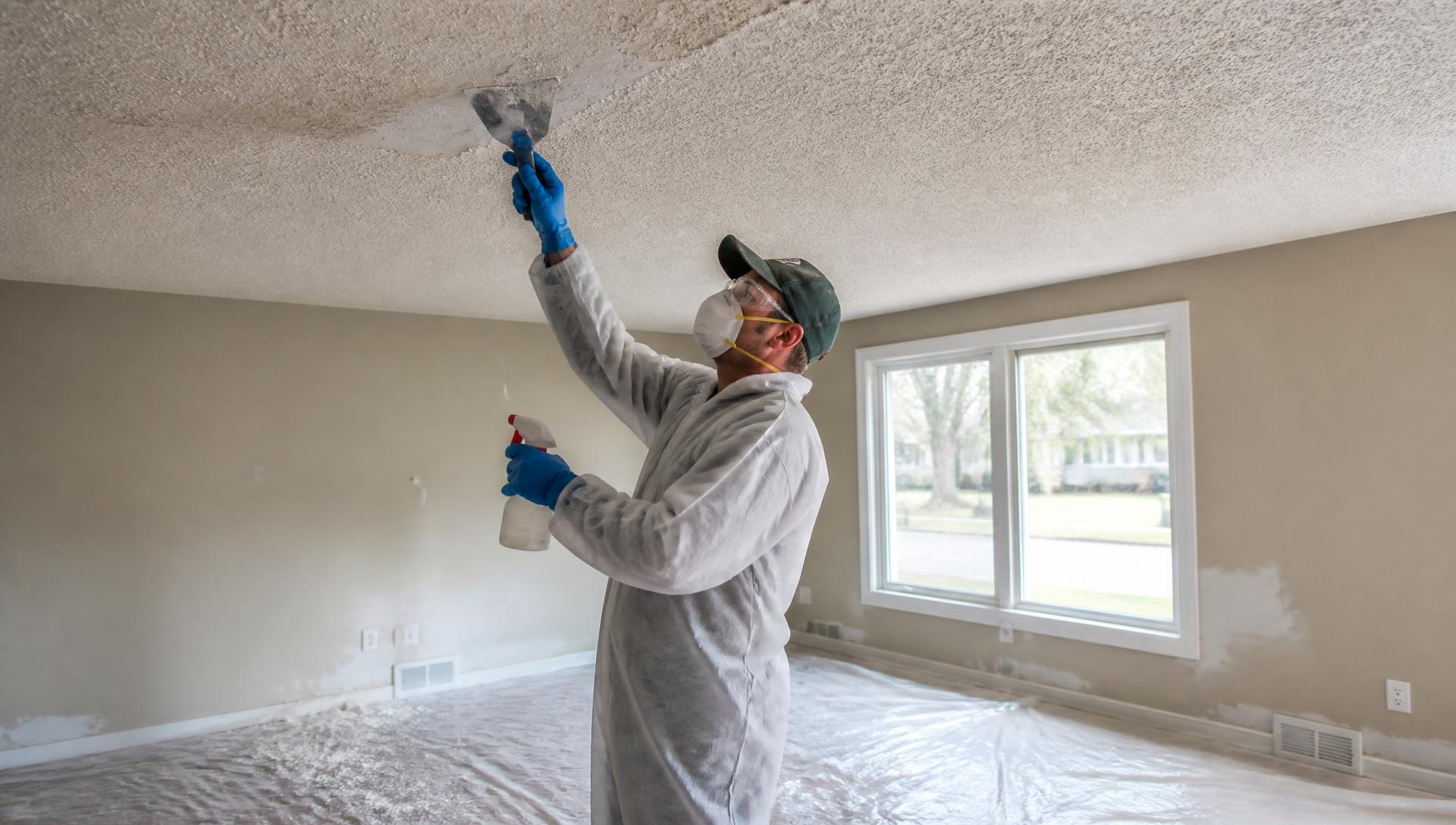
Worker wet-scraping a popcorn ceiling inside a protected, sheeted room

Popcorn ceiling removal · Northwest Suburbs, IL

Popcorn Ceiling Removal in Northwest Suburbs, IL

At Quality Drywall Installation Pros of Northwest Suburbs we test suspect materials for asbestos before disturbing older popcorn ceilings, remove the texture with proper containment, and finish the surface with suitable drywall or joint-compound techniques. We can repair or replace standard, moisture-resistant, fire-resistant, sound-dampening, and specialty drywall for residential renovations, offices, retail spaces, and other commercial properties.

  • 20+ Years of Experience
  • Residential + Commercial
  • Clear Estimates
  • Organized Worksites
  • 20+ Years

    Hands-on drywall experience

  • Residential + Commercial

    Homes and commercial interiors

  • Clean Sites

    Protected, organized work areas

Prefer the full contact page?

Request a Popcorn ceiling removal estimate

Tell us about the space and we’ll follow up with clear next steps. All fields are required.

20+ Years of Experience

Residential + Commercial

Northwest Suburbs

Popcorn ceiling removal

Popcorn Ceiling Assessment, Materials, And Health Considerations

Popcorn ceilings remain common in homes and commercial buildings across the Northwest Suburbs, including Naperville, Schaumburg, Arlington Heights, and surrounding communities. We assess the texture, ceiling condition, building age, and project goals before recommending a safe, practical plan.

Our 20+ years of drywall experience help us deliver smooth finishes, clean worksites, dependable scheduling, and upfront pricing.

We assess the ceiling's texture, substrate, condition, and construction date before recommending removal or refinishing. In Northwest Suburbs communities such as Schaumburg, Arlington Heights, and Palatine, careful evaluation helps us select suitable drywall materials while protecting occupants, workers, and surrounding property.

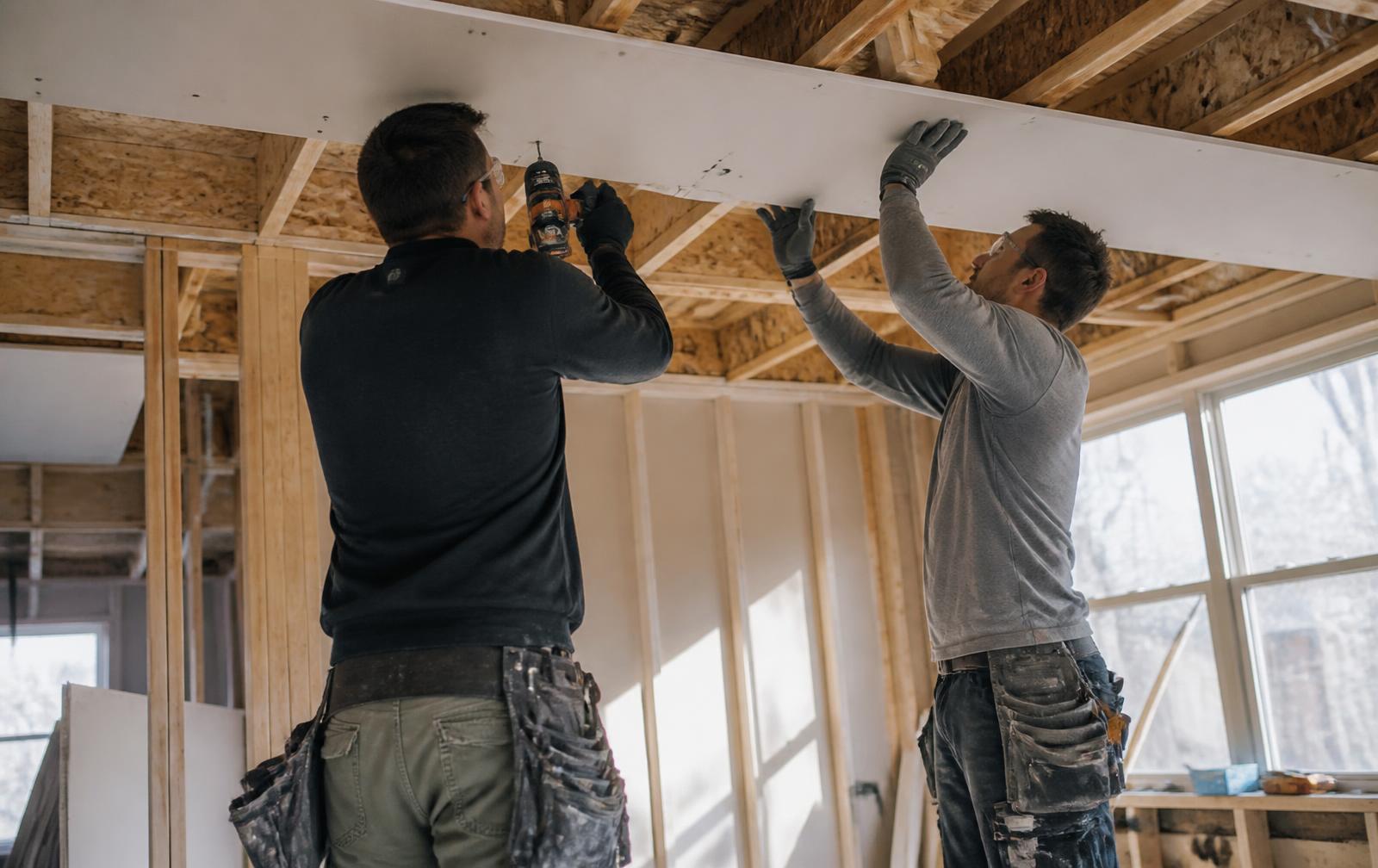
Installers fastening new gypsum panels to ceiling framing
When texture removal would leave an uneven surface, new board can deliver a more predictable ceiling finish.

Common Textures And Ceiling Substrates

Popcorn ceilings typically use a sprayed acoustic texture made from a joint-compound mixture, mineral aggregate, or older products that may contain asbestos. Similar finishes include cottage-cheese texture, stippling, orange peel, and knockdown patterns. Water stains, cracks, sagging, loose areas, and previous patches can affect removal methods and reveal underlying damage.

The texture may cover gypsum drywall, plaster, or a repair layer installed over an older ceiling. We check for fastener pops, uneven framing, electrical fixtures, recessed lights, and attic or plumbing leaks before disturbing the surface. If the ceiling remains sound and testing rules out asbestos, we may recommend controlled removal, skim coating, or installing new drywall. We protect floors, walls, furniture, and air pathways throughout the work.

Asbestos Testing For Pre-1980 Properties

Popcorn texture in properties built before 1980 may contain asbestos, but appearance alone cannot confirm its presence. Even newer buildings can contain materials manufactured from older stock, so we avoid scraping, sanding, drilling, or dry removal until testing establishes the material's status.

A qualified asbestos inspector collects representative samples from each visibly different ceiling material and sends them to an accredited laboratory. We recommend following Illinois Department of Public Health and U.S. Environmental Protection Agency requirements, especially for commercial properties, multifamily buildings, and renovations that could disturb regulated material.

If testing identifies asbestos, occupants should avoid disturbing the ceiling. Depending on its condition and the project scope, licensed professionals may encapsulate it with an approved coating or complete regulated abatement. We do not treat ordinary drywall work as a substitute for asbestos assessment or abatement.

Drywall Types In Residential And Commercial Buildings

Residential ceiling repairs commonly use 1/2-inch gypsum board, while some ceilings require 5/8-inch board for improved fire resistance, sound control, or a flatter surface. Moisture-resistant panels suit bathrooms and utility areas, but they do not replace proper ventilation or leak repairs. Lightweight drywall can reduce handling time, although framing and code requirements still determine the correct product.

Commercial buildings may use 5/8-inch fire-rated Type X panels, abuse-resistant board, shaftliner systems, or specialty acoustic assemblies. Offices, retail spaces, schools, and multifamily properties may also require rated or sound-controlled assemblies that must match the existing design.

We confirm panel thickness, framing spacing, access requirements, and applicable local codes before installation. Our crews coordinate residential repairs and commercial schedules carefully, protect occupied areas, and maintain clean, organized worksites while producing straight seams, clean corners, and smooth finished surfaces.

  • Precision

    Straight seams, clean corners, consistent fastening.

  • Reliability

    Dependable scheduling and clear communication.

  • Integrity

    Honest, upfront pricing with no unnecessary surprises.

Prefer to talk it through? Call (224) 287-9814.

Request an estimate

How we work

Removal Methods, Project Planning, And Northwest Suburbs Requirements

We select the removal method after checking the ceiling's condition, texture type, paint layers, and potential asbestos content. Careful planning also accounts for room use, furniture protection, finish expectations, building access, and local requirements for residential and commercial properties.

Wet Scraping, Skim Coating, And Encapsulation Options

For non-asbestos popcorn texture, we typically mist small sections with water and carefully scrape the softened material. Controlled wet scraping reduces dust, but excessive moisture can damage drywall facing or create gouges that require repair.

After scraping, we inspect seams, fasteners, stains, and damaged areas. We apply joint compound through skim coating when the surface needs a uniform finish, then sand, prime, and paint it. Multiple coats may provide the smooth appearance expected in Arlington Heights, Schaumburg, or Evanston homes.

Encapsulation may suit a ceiling that contains asbestos or cannot be removed safely. This method covers the existing material with an approved coating or new ceiling system rather than disturbing it. We do not scrape suspected asbestos materials before laboratory testing and qualified professional evaluation.

Protection, Cleanup, And Disposal Practices

We remove or cover furniture, seal doorways, protect flooring, and isolate vents before work begins. In occupied homes, we coordinate access around kitchens, bedrooms, stairways, and HVAC equipment. Commercial projects may require phased work so offices, retail areas, or common spaces remain usable.

Our crew uses appropriate respiratory protection, containment materials, and dust-control practices based on the project conditions. We keep tools organized, limit debris movement, and clean work areas as the job progresses rather than leaving all cleanup until the end.

Disposal depends on the material. Ordinary drywall debris follows local disposal rules, while asbestos-containing waste requires specialized packaging, transport, and disposal through properly qualified providers. We identify these requirements before pricing the work so customers receive clear expectations without unnecessary charges.

Local Permits And Service Areas Including Arlington Heights, Schaumburg, And Evanston

Permit requirements can vary by municipality, project scope, property type, and whether the work affects fire-rated assemblies, electrical systems, or structural components. Cosmetic texture removal may not require the same approvals as commercial alterations or repairs in multifamily buildings, so we verify requirements with the applicable building department before scheduling.

We serve homeowners, landlords, property managers, offices, retail spaces, and other commercial properties throughout the Northwest suburbs. Our service area includes Arlington Heights, Schaumburg, and Evanston, along with nearby communities such as Des Plaines, Mount Prospect, Skokie, and Palatine.

For each project, we confirm ceiling dimensions, access conditions, asbestos-testing needs, finish level, scheduling limits, and disposal procedures. Our more than 20 years of drywall experience helps us plan efficiently while maintaining clean worksites, straight lines, smooth finishes, and clear upfront pricing.

FAQs

Frequently Asked Questions

Asbestos testing, local permitting, project scope, drywall type, and worksite containment all affect popcorn ceiling removal in the Northwest Suburbs. We evaluate these factors before pricing residential or commercial work and explain the safest practical option.

How can homeowners determine whether a popcorn ceiling contains asbestos before removal?

Homeowners cannot reliably identify asbestos by appearance, age, or texture. Popcorn ceilings installed or repaired before the early 1980s present a higher potential risk, but only a qualified laboratory can confirm the material's contents.

We recommend hiring an Illinois-licensed asbestos inspector or professional to collect a representative sample. The laboratory should analyze the sample before anyone scrapes, sands, drills, or otherwise disturbs the ceiling.

Until testing confirms the material is asbestos-free, we treat it as suspect. If testing finds asbestos, an Illinois-licensed asbestos professional should prepare the abatement plan and handle removal or encapsulation.

What is the typical cost to remove popcorn ceilings from a 1,000-square-foot home in the Northwest Suburbs of Illinois?

For non-asbestos texture, scraping commonly costs about $1–$3 per square foot, while scraping followed by drywall repairs, skim coating, and refinishing often costs about $2–$6 per square foot. A 1,000-square-foot home may therefore range from roughly $2,000 to $6,000 when the project includes a smooth, paint-ready finish.

Costs increase when ceilings have multiple layers of paint, extensive cracking, high ceilings, difficult access, water damage, or complex lighting and HVAC penetrations. Testing, furniture protection, containment, primer, and painting may appear as separate estimate items.

Confirmed asbestos can add approximately $5–$20 per square foot, depending on the material, access, containment level, disposal requirements, and whether the project occurs in an occupied home or commercial property. We provide an upfront estimate after reviewing the ceiling condition and project scope.

Do Arlington Heights, Schaumburg, Naperville, or other Northwest suburban municipalities require permits for popcorn ceiling removal or asbestos abatement?

Permit requirements vary by municipality and by the work performed. Simple cosmetic scraping may not require a building permit in every community, but repairs involving drywall replacement, electrical changes, structural work, or alterations to fire-rated assemblies may require approval.

Asbestos work follows separate state and federal requirements. Illinois-licensed asbestos professionals must manage regulated abatement, and commercial projects may require notifications, project documentation, air monitoring, waste manifests, and approved disposal procedures.

Before work begins, we verify requirements with the applicable building department, including those serving Arlington Heights, Schaumburg, Naperville, and nearby communities. Property owners should also check condominium association rules, commercial lease requirements, and insurance documentation needs.

Is it more cost-effective to scrape, skim coat, or install new drywall over a textured ceiling?

Scraping usually costs the least when the texture is stable, non-asbestos, lightly bonded, and applied over a sound ceiling. It still requires wetting, careful removal, patching, sanding, priming, and painting.

Skim coating can make sense when the underlying gypsum board remains secure but scraping would leave an uneven surface. We apply joint compound in controlled layers, allow proper drying, sand the surface, and correct remaining joints or damage before painting.

Installing new drywall over the ceiling often provides the most predictable finish when the existing surface has heavy texture, multiple repairs, stains, or suspected asbestos. We must account for ceiling height, fastener placement, electrical boxes, recessed lights, HVAC grilles, and door or trim clearances.

For a small, accessible room, skim coating may offer good value. For a large home or commercial area with widespread defects, new drywall can reduce finish uncertainty even though the initial installation cost may be higher.

How do removal methods differ for standard gypsum board, moisture-resistant green board, fire-rated Type X drywall, and commercial ceiling systems?

Standard gypsum board generally supports wet scraping and surface refinishing when the board remains dry, stable, and free from asbestos-containing texture. Excess water can damage the paper face and weaken joints, so we control moisture and avoid soaking the substrate.

Moisture-resistant green board often appears in bathrooms and other damp areas. Its treated core and face resist moisture better than standard gypsum board, but they do not make the material waterproof; damaged or swollen areas may require replacement rather than repeated skim coating.

Fire-rated Type X drywall requires special care in rated walls and ceilings. Removing or replacing it can affect the assembly's tested fire-resistance rating, so we match the existing thickness, fastening, joint treatment, penetrations, and approved system requirements.

Commercial properties may use suspended acoustical ceiling tiles, grid systems, plaster, cement board, or specialized fire-rated assemblies rather than residential gypsum board. We isolate removable tiles and grid components when appropriate, while fixed systems require controlled testing, repair, or encapsulation that protects the building's fire, acoustic, and mechanical functions.

What safety, containment, and disposal requirements apply when removing popcorn ceilings in occupied residential and commercial properties?

We first identify possible asbestos, lead-based coatings, water damage, mold, electrical hazards, and fragile ceiling materials. We isolate the work area with plastic sheeting, protect floors and furnishings, control dust, and use appropriate respiratory and personal protective equipment.

Wet methods reduce airborne dust during non-asbestos removal, while HEPA-filtered equipment helps capture fine particles. We avoid dry scraping, uncontrolled sanding, and ordinary household vacuums because those methods can spread dust through occupied spaces.

Commercial work may require phased scheduling, negative-air containment, occupant notifications, HVAC isolation, access controls, air monitoring, and coordination with building management. In homes, we commonly schedule work around residents, pets, children, and sensitive occupants.

Asbestos-containing waste must follow Illinois and applicable federal handling, labeling, transport, and disposal rules. We do not place regulated debris in ordinary household or commercial dumpsters, and we maintain a clean, organized worksite throughout the project.

Related work

Other drywall services we provide

Get started

Request a Popcorn ceiling removal estimate

Tell us about the space and we'll follow up with clear next steps and honest, upfront pricing before any work begins.

Call (224) 287-9814

2000 Center Dr, STE 233, Hoffman Estates, IL 60192

Request a Free Estimate

Tell us about the space and we’ll follow up with clear next steps. All fields are required.

Call (224) 287-9814Request Estimate